
7 Reasons You Badly Need a Blogging Schedule
I’ve spoken to hundreds of travel bloggers at conferences, put more than 100 through my Travel Writing Overdrive course, and have coached many more over the course of months or a year. If I had to point to one problem that plagues the ones where monetary success eludes them, it usually comes down to one thing they’re not doing: sticking to a regular blogging schedule.

There are plenty of other ways to define this problem, like a lack of discipline, poor prioritization, too much perfectionism, or the inability to write a post that answers one question and then hit “publish.” Many of the root causes of low output could be solved by just sticking to a schedule though. Amazing things happen when you push content out the door like it’s a habit.
This doesn’t mean some superhuman schedule of posting every day or even three times a week. That’s tough to do sustainably over a long period. But if you’re not consistently putting up one post a week, or two a month at a bare minimum if you’re part-time, it’s probably going to take you five years to get any real traction.
If you commit to a blogging schedule and meet your own deadlines instead, you’ll probably have consistent success. If you just put up a post when you feel like it, then you’re going to have a hard time making the kind of solid income the bloggers do who are far more productive.
With rare exceptions, any travel blogger not seeing much success after grinding away for at least three years on a properly focused blog has an output that looks more like a hobbyist than a business owner. I’ve seen it over and over again.
The inconsistency is pulling down everything else they’re trying to accomplish, which just creates more frustration. Here’s why you need a blogging schedule if you’re going to take this endeavor seriously and make money at it.
Regular Posting Gives Google More to Index

This seems incredibly obvious, but I’m surprised at how many bloggers don’t see the connection. If you only have 45 posts on your blog after three years, you’re going to fare far worse in every way than someone who has 156 posts.
If we assume those 45 posts are scattered by geography and subject, even worse. You haven’t created enough posts to have meaningful content clusters around specific subjects, so it’s hard for the readers or the bots to figure out what you’re about.
Are you an expert at something? We can’t tell yet. There’s not enough material.
There’s also not enough for Google to grab onto and reward you for. You haven’t established authority still. With a small number of posts, you also probably don’t have as many inbound links. You don’t have as many brand mentions.
By nature you don’t have as many posts indexed and sending search traffic as the blogger who put up something new every single week.
A Blogging Schedule Shows That You Have Something to Say
If you can only manage to put up a post when the mood strikes you, as a reader I wonder if your advice is really worth following. If you’ve only put up one article in the past two months, I assume you don’t really have much to say.
If you did have a lot to say, then you’d be a fountain of output without much effort. It would be hard to hold you back.
If you care passionately about a subject and are a real expert at it, you should have hundreds of ideas bouncing around your head that you can’t wait to get out into the world. If you’ve been traveling a lot, there should be dozens of articles to write, not one per trip.
If there are questions your readers have, you should find out what they are and answer them. Most likely they have enough of them to give you blog post ideas for a year if you do any kind of “service” writing. This should be quick and easy if you know your audience, not laborious.
A Real Schedule Means You’re a Real Business

A real company with a regular product release schedule
Imagine if an ice cream shop said, “We’ll create new batches when we’re in the mood” or a brewery said, “We’ll work on replenishment once we run out of beer.”
Imagine Apple saying “We’ll work on new products when the creative juices are flowing properly” or a sports website decided they didn’t feel like talking about football again this week.
If you want to run a real business, one that is generating cash and paying your bills, you need to treat it like a real business. That means taking every aspect seriously, but especially your product — your content output. If you’re spending more time on other tasks than you are on creating your core product, then you don’t have a business yet. It’s still a hobby.
Most people with a hobby don’t expect to make a living from it and neither should you. Even if you’re doing this part-time on nights and weekends, you need a schedule and set commitments if you want anyone to take it seriously and pay you.
A Commitment Means You’re Serious

I once had a student who seemed to actively look for anything she could spend time on that would keep her from putting up new blog posts. I think after two months in the mastermind group of my course she had completed two articles, even though she was between jobs and said she wanted to make blogging a real income stream.
Then she went to a popular nomad hub overseas, where she was supposedly going to buckle down and get serious. She did get serious about one thing — socializing — and a month later she was giving even more excuses about how she had been too busy to post any new articles. I gave up trying to help her.
Other students have been freelance writers trying to transition to publishing or they’ve had a dormant blog they’re trying to revive, so I understand that they need to keep focusing on what’s paying the bills. But if you’re not putting a system in place that is looking ahead to a different future, that future will never get here.
You can’t just work on the present and neglect what’s going to earn you money a year or two from now. Commit to a blogging schedule now and two years from now you’ll reap the rewards. And yes, this includes when you’re traveling — make time for publishing or schedule plenty of posts in advance.
A Set Cadence Forces You to Be a Productive Writer
Old-school journalists who have daily deadlines never complain about writers block. Most successful bloggers I know never do either.
Writer’s block is for hobbyists… and maybe novelists who have a year to finish their book.
There’s a job to do and you get it done, like any serious business owner. Productive writers create a crappy first draft, one that starts in the middle or the end if needed to get moving, then make it better on the second and third pass until it’s good enough to put into the world. (Good enough I said, not perfect.)
Eventually we hit publish and then move on to the next one. There’s a schedule to keep if we want to make a healthy living and we don’t have the luxury of staring at a blank screen.
Most bloggers I coach spend waaaayyy too much time creating lengthy masterpieces and not nearly enough time getting the next article out the door. There was a time when general listicles that were very long had their place. Google rewarded length, which set off an arms race of titles like “The 68 Best Things to Do in Chicago.” Then someone else would come along and make it 71 to try to outrank them in search.
Thankfully, those days are gone and small is in again. This is one of our most popular posts on the Perceptive Travel Blog, getting hundreds of hits every month: Lou Malnati’s: Going Local for Chicago-style Deep Dish Pizza. Here are some others in the top 10 by traffic:

Some of my most popular posts across multiple sites are about one specific tour, a specific ferry ride, or one bar in one city even. The AI tools can write a long listicle in a few minutes, scraping info that’s already been published, so you don’t need to write a novella every time. Instead write about a real experience, or discuss what you’ve learned in the trenches.
Many of the grand round-ups my students spent days on don’t get much traffic because they’re too epic or the subject focus is too broad and competitive. They’re trying to cover an entire destination in one post instead of covering one aspect (that could actually rank) and saving the rest for later.
When you’re on a regular blogging schedule though, you tend to drop these time-sucking kitchen sink articles and get to work on question-answering posts that will actually perform well in search. People are putting “best museum in Nantes” into the search box, not “tell me everything I may ever need to know about the Brittany region of France.”
If you’ve got a regular deadline, you’ll get focused on what will achieve results. Like a post about a single bike tour on the edge of Rome, a travel gear round-up that answers a specific question, or a small hotel chain profile that helps vacationers decide where to stay. All of these posts are gold mines for affiliate revenue too, by the way, because they’re specific and not general.
Discipline Leads to Content Clusters
If you write about Rome restaurants this week, traveling with pets three weeks from now, then California hiking two weeks after that, you’ve created the blog equivalent of an aimless wanderer with no plan. While walking around lost can be fun in a new city, it’s a terrible way to run a business.
If you say, “I’m going to publish every Tuesday for the rest of this year,” then there’s nowhere to hide when The Muse is nowhere to be found. You might have to actually concentrate on a subject or place you know a lot about instead of facing the idea of a 4,000 word feature about some destination that invited you on a press trip.
You know, the kind of post that actually gives your blog a theme.
You can make June your month you write about tours in the city or style you’re focusing on. Or you can write posts that compliment the ones that are already resonating with your audience. You can see what’s getting search traffic and double down with other posts about that subject.
Google likes this. Your readers like this. The people trying to figure out if your newsletter is right for them like this. When you combine discipline and focus, your blog gets exponentially better and it attracts a real tribe instead of random searchers who hit one page and then leave.
Ideally you set up a content calendar, and many successful bloggers do this to create seasonal content especially, but it has never worked for me. My niches are more evergreen and I get a fair number of sponsored posts and partnership deals, which would constantly disrupt my well-laid plans if I had them.
What I do instead is focus on what’s working and regularly rework older posts that aren’t getting much traffic anymore. I study the data and let that be my content calendar.
A Regular Cadence Leads to a Real Body of Work
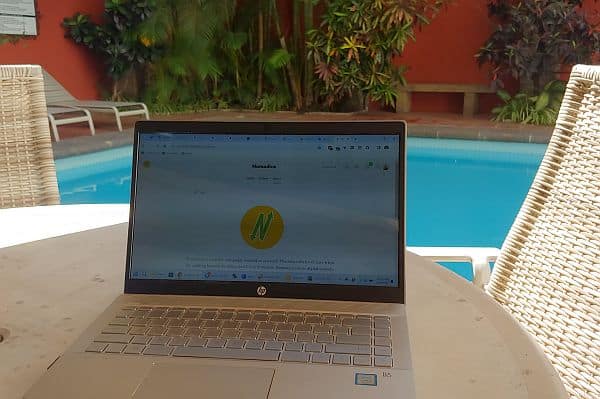
I sold one of my sites a while back and I’m down to four now including this one, which means I’m cranking out a little less content than I used to. Despite that, I am, without exception, producing this each month:
4 issues of Nomadico on Substack
4 posts on the Cheapest Destinations Blog
4 posts on my Latin America travel blog
2 posts on the Perceptive Travel blog
1 hotel review on Hotel Scoop
1 post or interview here
Editing each issue of Perceptive Travel online magazine and editing freelance contributors for the Latin America online magazine.
Sending multiple other site newsletters that go out once per month.
Now, multiply that by 12 months and what have you got? A body of work that’s generating income and pulling in subscribers. Multiply it by years and see how far ahead of you I am if you’re only averaging one or two articles a month.
You can’t compete. So you shouldn’t expect to hit a revenue level of six figures like I do.
And since people ask, yes I get plenty of sleep. I’m getting old, so I get eight hours more often than not. And I watch plenty of movies and streaming shows. I read books and go out with friends regularly. I don’t work many hours when I’m traveling.
I am just ruthless about what’s important for my business and what’s a waste of time.
What About Video?
What I don’t have a regular schedule for is YouTube, so I will never call myself a YouTuber. It’s a side hustle, a distribution channel, and a way to get something else into search. It’s not a core part of my business and the income potential is crappy, so it takes a back seat for me.
If you are a videographer and the blog is your side hustle instead, then feel free to substitute YouTube for “blog” in all the examples above. (Then go find some sponsors because it’s the only way to make real money on there.)
Unfortunately, YouTube cares even more about freshness than Google and the AI tools do, to the point where you’ll drop down the rankings as soon as you slow down. So get on the treadmill and stay there if this is your passion! A schedule of 3+ times per week seems to be needed there, which is a lot more frantic than blogging.
How about you? Any tricks that got you from occasional hobby blogger to a serious business owner?
This hand-rolled article was created without the help of any robots and all photos are by the author or his spouse.
About Author

Tim
Tim Leffel is the author of Travel Writing 2.0 as well as several other successful books. His work has been recognized by SATW, NATJA, and the Solas Awards. He has contributed to more than 50 publications as a freelancer and is the editor of four websites and blogs, including the "Best online travel magazine" and the popular Cheapest Destinations Blog, established in 2003. He served six years as Conference Director for TBEX and five years as co-chair of the NATJA Advisory board.
I struggled with this for two years while I was also freelance writing and realized I hadn’t even averaged two posts per month. So of course I wasn’t making much money. I went on a sprint of publishing two articles per week for two months after a new year’s resolution and just that alone tripled my earnings within a few months. There were 16 more articles to get indexed and talk about. I’m now down to one a week usually, but the earnings keep going up and I’m finally getting some paid deals directly.